
In partnership with

How Jennifer Anniston’s LolaVie brand grew sales 40% with CTV ads

For its first CTV campaign, Jennifer Aniston’s DTC haircare brand LolaVie had a few non-negotiables. The campaign had to be simple. It had to demonstrate measurable impact. And it had to be full-funnel.
LolaVie used Roku Ads Manager to test and optimize creatives — reaching millions of potential customers at all stages of their purchase journeys. Roku Ads Manager helped the brand convey LolaVie’s playful voice while helping drive omnichannel sales across both ecommerce and retail touchpoints.
The campaign included an Action Ad overlay that let viewers shop directly from their TVs by clicking OK on their Roku remote. This guided them to the website to buy LolaVie products.
Discover how Roku Ads Manager helped LolaVie drive big sales and customer growth with self-serve TV ads.
The DTC beauty category is crowded. To break through, Jennifer Anniston’s brand LolaVie, worked with Roku Ads Manager to easily set up, test, and optimize CTV ad creatives. The campaign helped drive a big lift in sales and customer growth, helping LolaVie break through in the crowded beauty category.
March 5, 2026

This week, I reviewed five campaigns that all looked “fine” on the dashboard. Opens were solid. Bounce was under control. Nothing was on fire. And yet the replies were stuck in that dead zone where you cannot build a pipeline, but you also cannot tell what is broken.
The pattern was the same across all of them. The emails sounded like cold emails. In 2026, that is enough to be ignored.
FROM MY DESK THIS WEEK
I stepped back to look at what is showing up across accounts, not just in one campaign. The cold email trend for 2026 is simple: inboxes are harsher, buyers are more distracted, and anything that feels templated is tuned out quickly.
The winning teams consistently do three things. First, they send fewer emails to tighter lists, and reply rates rise because targeting is sharper. Second, they write plainer copy, less clever and more direct, and lead with one real business problem rather than a paragraph of positioning. Third, they treat deliverability like a weekly KPI, not a one-time setup task.
When we made these shifts on a few accounts this month, replies rose from the low-1s to the mid-2s and low-3s without altering the offer.
That is not magic. That is discipline.
CEO’S PLAYBOOK TIP
What this means: In 2026, your edge is not a “better sequence.” Your edge is writing like a human and earning the right to a reply. The fastest way to do that is to stop sending generic follow-ups and start sending a second email that prompts a reply now.
Why it works: Most prospects do not ignore you because your product is bad. They ignore you because delay feels free. A follow-up that names the cost of doing nothing turns “not now” into a real decision. It also gives the prospect something specific to respond to, which is how replies start.
The data: Across agency accounts, the biggest lifts right now come from tightening targeting and making email 2 do real work. When we add a clear cost-of-inaction line to email 2 and remove the polite “just bumping this up” language, we regularly see total replies jump 40 to 80 percent. In one recent run to 8,400 prospects, replies rose from 1.8% to 3.1%, and positive replies doubled from 0.6% to 1.2%, with the same offer and sending setup.
How to use it this week: Do this in your next sequence, starting today.
Keep email 2 to 70 to 110 words.
Lead with the problem again in one sentence, not a recap.
Add one cost-of-inaction line that makes waiting feel expensive.
Ask one simple question.
Copy-ready line you can steal:
If pipeline is still leaning on referrals, waiting another 30 days usually makes next month harder than it needs to be. Want me to show you what we are seeing across teams like yours?
INTEL THIS WEEK

A reminder that unsubscribe flows are still broken in ways that erode trust, including unnecessary friction and poor handling of sensitive cases.
Takeaway:
If you make it hard to leave, you train people to distrust everything else you send. It also increases spam complaints, which erode deliverability over time. What this means for your next campaign: clean opt-out, clean preferences, and no games. Trust is a performance lever.


I recorded this interview as a straightforward breakdown of the cold email fundamentals that still win: never send from your primary domain, build the infrastructure first, target tightly, and use personalization to increase relevance, not fake intimacy.
Takeaway:
Founders love debating copy while ignoring setup. That is backwards. What this means for your next campaign: fix domains, inboxes, and list quality before you touch subject lines.

On The Elisha Show, I walked through what is actually working right now in cold email, how I think about newsletters as a nurture engine, how we built a global team, and where AI plus automation helps when used with discipline.
Takeaway:
The best outbound programs do not operate in isolation. They sit within a system that captures attention, nurtures it, and turns it into a pipeline. What this means for your next campaign: stop treating cold email as a standalone tactic and start treating it as the front door.
High-Performance Cold Email That Actually Books Meetings!
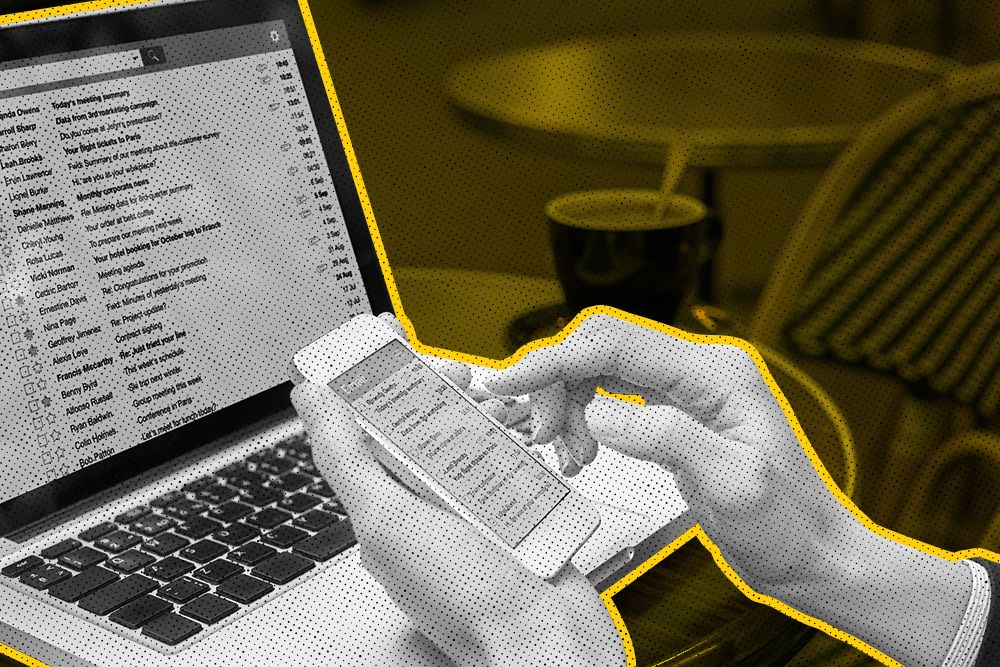
Struggling to land real meetings from cold email? You’re not alone — and you’re not the problem. The cold outreach game has changed, and generic blasts just don’t cut it anymore.
At Email Outreach Company, we’ve perfected a system to make sure your critical messages bypass spam filters, hit inboxes, and convert into real sales opportunities. Using our advanced AI-driven personalization engine and bulletproof sending infrastructure, we help you consistently schedule meetings with decision-makers at top-tier companies.
Leading brands have already trusted us to book meetings with executives from Amazon, Apple, and Goldman Sachs — driving over $5 million in revenue, all through cold email.
Here’s your chance to finally win at cold outreach… without the trial and error.
MY LAST $.02
Here is the honest shift I have watched unfold in real time. Cold email is used to reward volume and persistence. Now it rewards precision and restraint.
The founders who keep winning are the ones who act like operators, not gamblers. They know who they want, why that person should care, and what the cost is if nothing changes. That is exactly how I ran outbound when I was building companies I could sell. Buyers do not pay for “marketing.” They pay for predictable growth. Cold email was never the whole system, but it kept conversations flowing when everything else got noisy. If you want better replies in 2026, stop trying to sound impressive. That sounds true.
Tight list, plain language, one real problem, and a follow-up that makes waiting feel costly. That is the play.
See you tomorrow,
Adam
P.S. Reply and tell me your current reply rate. I will tell you where I would look first.

Adam Rosen
Founder
Email Outreach Company
New York, New York
www.eocworks.com
P.S. We’ve built a system that helps you break through the noise and actually land meetings that matter. Click here to book your free cold email audit, and we’ll show you exactly how to turn cold outreach into real opportunities.